RF sensing equipment utilizing micro-Doppler technology plays a significant role in advancing non-contact physiological monitoring. The devices listed provide a range of solutions suitable for medical, consumer, and industrial applications.
1. Vayyar Imaging Sensors
- Product: Walabot Home
- Manufacturer: Vayyar Imaging
- Specifications:
- Frequency Range: 3 GHz to 10 GHz
- Features:
- 3D imaging sensor capable of detecting motion, posture, and vital signs.
- Non-contact monitoring of respiration and heart rate.
- Applications:
- Elderly care for fall detection and monitoring.
- Smart home integration for health monitoring.
- Website: www.vayyar.com
2. Xethru Sensors
- Product: XeThru X4M200 Respiration Module
- Manufacturer: Novelda AS
- Specifications:
- Frequency: Ultra-Wideband (7.25 GHz to 10.2 GHz)
- Features:
- Detects minute movements caused by respiration and heartbeats.
- Provides raw data and processed signals for developers.
- Applications:
- Sleep monitoring systems.
- Baby monitoring for Sudden Infant Death Syndrome (SIDS) prevention.
- Website: www.xethru.com
3. Infineon Radar Sensors
- Product: BGT60TR13C 60GHz Radar Development Kit
- Manufacturer: Infineon Technologies
- Specifications:
- Frequency: 60 GHz
- Features:
- High-resolution motion sensing.
- Capable of detecting micro-movements for vital sign monitoring.
- Applications:
- Presence detection.
- Gesture recognition and vital sign monitoring in smart devices.
- Website: www.infineon.com
4. Texas Instruments mmWave Sensors
- Product: IWR6843ISK mmWave Sensor Evaluation Module
- Manufacturer: Texas Instruments (TI)
- Specifications:
- Frequency: 60 GHz to 64 GHz
- Features:
- Integrated single-chip millimeter-wave (mmWave) sensor.
- Supports micro-Doppler signature extraction for detecting vital signs.
- Applications:
- People counting and tracking.
- Monitoring movement and vital signs in industrial and healthcare settings.
- Website: www.ti.com
5. Google Soli Radar Chip
- Product: Soli Sensor
- Manufacturer: Google ATAP (Advanced Technology and Projects)
- Specifications:
- Frequency: 60 GHz
- Features:
- Captures motion gestures and micro-movements.
- Integrated into devices like the Google Nest Hub for sleep tracking.
- Applications:
- Gesture recognition in consumer electronics.
- Sleep monitoring by detecting breathing patterns.
- Website: atap.google.com/soli
6. RFbeam K-LD7 Radar Module
- Product: K-LD7 Radar Transceiver
- Manufacturer: RFbeam Microwave GmbH
- Specifications:
- Frequency: 24 GHz
- Features:
- Low-power Doppler radar module.
- Sensitive to micro-movements, suitable for vital sign detection.
- Applications:
- Security systems.
- Medical monitoring devices for movement detection.
- Website: www.rfbeam.ch
7. Acconeer A1 Radar Sensor
- Product: A111 Pulsed Coherent Radar (PCR) Sensor
- Manufacturer: Acconeer AB
- Specifications:
- Frequency: 60 GHz
- Features:
- Ultra-low power consumption.
- High-precision distance measurement and motion detection.
- Applications:
- Presence detection.
- Vital sign monitoring in portable and battery-powered devices.
- Website: www.acconeer.com
8. SleepScore Max Sleep Improvement Monitor
- Product: SleepScore Max
- Manufacturer: SleepScore Labs
- Specifications:
- Technology: Bio-motion sensor using ultra-low power radio waves.
- Features:
- Monitors breathing rate and body movement without contact.
- Provides detailed sleep analysis and recommendations.
- Applications:
- Personal sleep tracking and improvement.
- Website: www.sleepscore.com
9. ResMed Non-Contact Sleep Monitoring
- Product: SleepMinder
- Manufacturer: ResMed
- Specifications:
- Technology: Radio Frequency-based respiratory monitoring.
- Features:
- Monitors sleep patterns and respiratory function.
- Non-contact measurement ideal for home and clinical settings.
- Applications:
- Sleep disorder diagnostics.
- Monitoring chronic respiratory conditions.
- Website: www.resmed.com
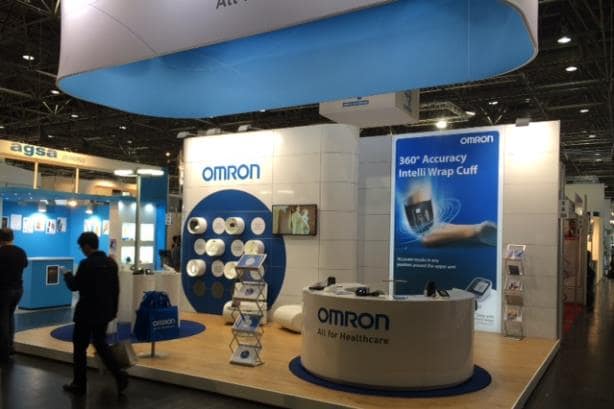
10. OMRON Healthcare Devices
- Product: OMRON HeartGuide
- Manufacturer: OMRON Healthcare
- Specifications:
- Technology: Wearable blood pressure monitor (Note: Not RF-based but relevant for physiological monitoring)
- Features:
- Tracks blood pressure, activity, and sleep patterns.
- Clinically validated oscillometric measurement.
- Applications:
- Personal health monitoring.
- Managing hypertension.
- Website: www.omronhealthcare.com
Technical Features and Specifications
- Frequency Bands Used:
- 24 GHz Band: Suitable for motion detection and has good penetration capabilities.
- 60 GHz Band: Offers higher resolution for detecting fine movements like respiration and heartbeats.
- Ultra-Wideband (UWB): Provides high-resolution sensing over a wide frequency range.
- Detection Capabilities:
- Respiration Rate: Detection of chest movements due to breathing.
- Heart Rate: Sensing micro-movements caused by cardiac activity.
- Movement and Gesture Recognition: Identifying macro and micro gestures for control interfaces.
- Integration and Development Support:
- Evaluation Kits: Many manufacturers provide development kits with software support for prototyping.
- Software Development Kits (SDKs): APIs and libraries for custom application development.
- Documentation and Community Support: Access to technical documents and user forums.
Considerations for Equipment Selection
- Intended Application:
- Determine whether the focus is on medical-grade vital sign monitoring, consumer sleep tracking, or gesture recognition.
- Regulatory Compliance:
- Ensure devices meet regulatory standards like FDA approval for medical devices or FCC compliance for RF emissions.
- Privacy and Security:
- Evaluate data handling practices, especially for devices transmitting personal health information.
- Environmental Factors:
- Consider performance in different environments (e.g., presence of obstacles, multiple subjects, varying temperatures).
- Power Consumption:
- For wearable or battery-powered devices, low power consumption is critical.
Applications and Use Cases
- Healthcare Facilities:
- Patient Monitoring: Continuous vital sign monitoring without physical contact.
- Isolation Wards: Reducing infection risk by minimizing patient contact.
- Home Health Monitoring:
- Chronic Disease Management: Monitoring patients with heart failure, COPD, or sleep apnea.
- Elderly Care: Detecting falls and unusual inactivity patterns.
- Consumer Electronics:
- Smartphones and Wearables: Integrating RF sensors for health tracking features.
- Smart Home Devices: Enhancing home automation with presence and gesture detection.
- Automotive Industry:
- Driver Monitoring Systems: Detecting drowsiness or health emergencies.
- Child Presence Detection: Alerting if a child is left unattended in a vehicle.
Future Developments
- Advanced Signal Processing:
- Use of machine learning to improve detection accuracy and interpret complex physiological signals.
- Miniaturization and Integration:
- Embedding RF sensors into everyday objects and wearables for seamless health monitoring.
- Enhanced Multi-Modal Systems:
- Combining RF sensing with other technologies (e.g., optical sensors, accelerometers) for comprehensive monitoring solutions.
References
- Vayyar Imaging: www.vayyar.com
- Novelda AS: www.xethru.com
- Infineon Technologies: www.infineon.com
- Texas Instruments: www.ti.com
- Google ATAP: atap.google.com/soli
- RFbeam Microwave GmbH: www.rfbeam.ch
- Acconeer AB: www.acconeer.com
- SleepScore Labs: www.sleepscore.com
- ResMed: www.resmed.com
- OMRON Healthcare: www.omronhealthcare.com
RF Sensing in Physiological Applications Using Micro-Doppler Technology
Overview
Radio Frequency (RF) sensing, particularly through micro-Doppler radar technology, is widely used for physiological monitoring due to its ability to detect subtle movements associated with vital signs. This non-contact method leverages RF signals to monitor heart rate, respiration, and movement without the need for wearable devices.
Organizations and Sectors Utilizing RF Sensing for Physiological Monitoring
- Medical Research Institutions and Universities
- Purpose: Developing advanced non-invasive health monitoring systems.
- Examples:
- Massachusetts Institute of Technology (MIT): Research on using RF signals to monitor breathing and sleep patterns.
- University of California, Berkeley: Studies on RF-based gait analysis for early detection of neurological disorders.
- Healthcare Technology Companies
- Purpose: Commercializing RF sensing technology for medical diagnostics and patient monitoring.
- Examples:
- Vayyar Imaging: Produces RF sensors capable of monitoring vital signs in real-time.
- SleepScore Labs: Uses RF technology for sleep tracking and analysis.
- Defense and Military Organizations
- Purpose: Remote health monitoring of personnel and life sign detection in search and rescue missions.
- Examples:
- DARPA (Defense Advanced Research Projects Agency): Projects focused on soldier health monitoring using RF sensing.
- US Army Research Laboratory: Developing portable RF sensing devices for battlefield medical assessment.
- Space Agencies
- Purpose: Monitoring astronauts’ health in space where traditional sensors may be impractical.
- Examples:
- NASA: Researching RF sensing for non-contact monitoring of vital signs during space missions.
- Elderly Care and Assisted Living Facilities
- Purpose: Continuous monitoring of residents without invasive devices.
- Applications:
- Fall detection systems using RF sensors.
- Monitoring respiratory patterns to alert caregivers of potential health issues.
- Consumer Electronics and Smart Home Companies
- Purpose: Integrating RF sensing into devices for health and activity monitoring.
- Examples:
- Google’s Nest Hub: Incorporates Soli radar technology for sleep tracking.
- Amazon: Exploring RF sensing in devices for wellness monitoring.
- Automotive Industry
- Purpose: Enhancing in-car safety by monitoring driver and passenger vital signs.
- Examples:
- Toyota: Research on RF sensing to detect driver drowsiness or sudden health issues.
- Hyundai: Developing systems to monitor child presence and prevent heatstroke.
Advantages of RF Sensing in Physiological Monitoring
- Non-Invasive and Non-Contact: Reduces discomfort and risk of infection.
- Privacy-Preserving: Does not capture images or audio, protecting personal privacy.
- Penetrative Capability: Can sense through clothing, bedding, and even walls.
- Real-Time Monitoring: Provides continuous data essential for timely interventions.
Applications of RF Sensing with Micro-Doppler Technology
- Sleep Monitoring
- Function: Tracks sleep stages, detects sleep apnea, and monitors overall sleep quality.
- Benefit: Helps diagnose sleep disorders without disrupting the patient’s natural sleep environment.
- Cardiac and Respiratory Monitoring
- Function: Measures heart rate variability and respiratory rate.
- Benefit: Early detection of cardiovascular issues and respiratory conditions.
- Elderly Care
- Function: Detects falls, monitors movement patterns, and tracks daily activity.
- Benefit: Enhances safety and enables independent living for seniors.
- Rehabilitation and Physical Therapy
- Function: Monitors patient movements to assess recovery progress.
- Benefit: Provides data-driven insights to tailor rehabilitation programs.
- Emergency Services
- Function: Locates survivors by detecting vital signs through debris in disaster zones.
- Benefit: Improves efficiency and effectiveness of search and rescue operations.
Technical Aspects of RF Sensing
- Micro-Doppler Effect: Captures minute movements caused by physiological activities, such as chest movements during breathing.
- Signal Processing: Advanced algorithms analyze reflected RF signals to extract meaningful physiological data.
- Frequency Bands: Commonly uses frequencies in the 24 GHz, 60 GHz, and 77 GHz bands for high-resolution sensing.
Challenges and Considerations
- Environmental Interference: RF signals can be affected by other electronic devices and environmental factors.
- Data Privacy and Security: Ensuring that collected data is securely stored and transmitted.
- Regulatory Compliance: Adhering to guidelines from bodies like the FCC regarding RF emissions.
Conclusion
RF sensing with micro-Doppler technology is revolutionizing physiological monitoring across various fields. By providing a non-invasive, real-time, and accurate method of tracking vital signs, it holds significant promise for enhancing healthcare, safety, and quality of life.
References
- IEEE Xplore Digital Library: Research papers on RF sensing and micro-Doppler applications.
- DARPA: Official website detailing projects on RF-based health monitoring.
- NASA Technical Reports: Documentation on non-contact vital sign monitoring in space.
- Company Websites: Information from Vayyar Imaging, SleepScore Labs, and others on their RF sensing technologies.
Overview of PubMed Resources on RF Sensing and Micro-Doppler Technology in Physiological Monitoring
Introduction
PubMed, maintained by the U.S. National Library of Medicine, is a comprehensive database of biomedical literature. It contains numerous research articles on the application of RF (Radio Frequency) sensing and micro-Doppler technology for physiological monitoring. These studies explore non-contact methods for detecting vital signs, movement patterns, and other physiological parameters.
Key Topics and Findings
- Non-Contact Vital Sign Monitoring
- Heart Rate and Respiration Detection: Several studies investigate the use of micro-Doppler radar to non-invasively monitor heart rate and respiratory patterns. This technology captures minute chest movements associated with cardiac and respiratory activity.
- Sleep Studies: Research includes using RF sensing to monitor sleep stages and detect sleep disorders like sleep apnea without attaching sensors to the body.
- Gait Analysis and Movement Disorders
- Neurological Assessments: Articles discuss the use of micro-Doppler signatures to analyze gait and detect abnormalities associated with conditions such as Parkinson’s disease and multiple sclerosis.
- Rehabilitation Monitoring: Studies focus on tracking patient progress during physical therapy by monitoring movement patterns.
- Elderly Care and Fall Detection
- Activity Monitoring: Research explores how RF sensing can monitor daily activities of the elderly to ensure safety and independence.
- Fall Detection Systems: Articles detail the development of systems that use micro-Doppler radar to detect falls and promptly alert caregivers or medical personnel.
- Disaster Response and Search and Rescue
- Life Sign Detection: Studies demonstrate the application of RF sensing in detecting heartbeats and breathing of individuals trapped under debris, aiding rescue operations.
- Advancements in Signal Processing
- Algorithm Development: Research includes creating advanced signal processing techniques to enhance the accuracy of physiological measurements obtained via RF sensing.
- Machine Learning Applications: Implementation of machine learning algorithms to interpret complex micro-Doppler data for improved monitoring.
- Medical Device Innovation
- Wearable and Portable Devices: Articles cover the design and testing of new medical devices incorporating RF sensing for continuous health monitoring.
- Regulatory Considerations: Discussions on compliance with medical standards and ensuring patient safety in the deployment of these technologies.
Accessing Relevant Articles on PubMed
To find specific studies related to RF sensing and micro-Doppler technology:
- Use Effective Keywords: Combine terms such as:
"micro-Doppler radar" AND "physiological monitoring""RF sensing" AND "vital signs""non-contact" AND "heart rate monitoring""micro-Doppler" AND "gait analysis""RF sensing" AND "fall detection"
- Apply Filters:
- Article Types: Filter by clinical trials, reviews, or free full-text articles.
- Publication Dates: Limit the search to recent years for the latest research.
- Species: Select human studies if applicable.
- Explore Related Articles: Use PubMed’s “Similar articles” feature to find additional relevant studies.
Examples of Research Topics
- “Non-Contact Detection of Heart and Respiratory Rates Using Ultra-Wideband Micro-Doppler Radar”
- Focuses on developing a system for monitoring vital signs without physical contact, beneficial in settings where minimal patient disturbance is desired.
- “Application of Micro-Doppler Signatures for Gait Analysis in Parkinson’s Disease Patients”
- Explores how gait patterns captured by RF sensing can assist in early diagnosis and monitoring of disease progression.
- “RF-Based Fall Detection Systems for the Elderly: A Review”
- Reviews various RF sensing technologies used to detect falls, discussing their efficacy and implementation challenges.
- “Advancements in Signal Processing Techniques for Micro-Doppler-Based Physiological Monitoring”
- Discusses the latest algorithms and methods to improve the interpretation of micro-Doppler data in medical applications.
Benefits Highlighted in the Literature
- Non-Invasiveness: RF sensing allows for monitoring without direct contact, enhancing comfort and reducing infection risks.
- Continuous Monitoring: Enables real-time data collection, crucial for critical care and chronic condition management.
- Versatility: Applicable in various environments, including hospitals, homes, and disaster zones.
- Enhanced Accuracy: Advanced signal processing improves the reliability of measurements compared to traditional methods.
Conclusion
PubMed offers extensive resources on the use of RF sensing and micro-Doppler technology in physiological monitoring. The research spans fundamental studies to clinical applications, highlighting the potential and challenges of these technologies in modern healthcare. By utilizing targeted search strategies, you can access a wealth of information to deepen your understanding of this field.
Next Steps
- Conduct Searches on PubMed:
- Visit PubMed and input relevant keywords.
- Review abstracts to identify articles of interest.
- Stay Updated:
- Set up alerts for new publications on topics like “RF sensing physiological monitoring” to receive updates on the latest research.
- Consult Reviews and Meta-Analyses:
- Look for review articles that summarize and evaluate findings from multiple studies, providing comprehensive insights.
https://chatgpt.com/share/690faa9f-2d0c-800d-854d-fb2b9d78b563