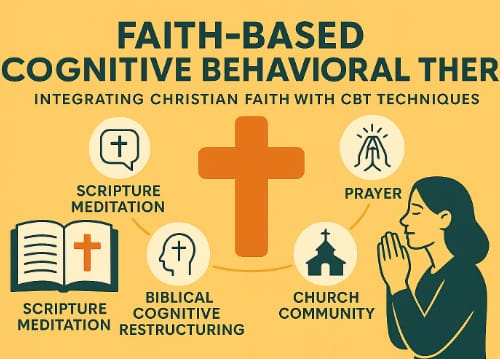
These organizations generally combine behavioral health programs with values rooted in faith-based approaches, often influenced by Christian or evangelical perspectives. Here are a few examples:
1. Saddleback Church – The Hope for Mental Health Ministry (California)
- Focus: Behavioral health interventions within a Christian framework.
- Programs: Saddleback’s Hope for Mental Health Ministry offers counseling, mental health resources, and support groups for conditions such as depression, anxiety, and addiction. It also provides suicide prevention resources and is known for integrating faith into behavioral health practices.
- Evangelical Influence: Founded by Pastor Rick Warren, Saddleback is one of the largest evangelical churches in the U.S., deeply influenced by evangelical beliefs. This ministry views mental health as part of spiritual well-being and often aligns interventions with Christian teachings.
2. Liberty University’s Department of Counselor Education and Family Studies (Virginia)
- Focus: Behavioral health and counseling education with an emphasis on Christian values.
- Programs: Liberty offers programs in mental health counseling, marriage and family therapy, and substance abuse counseling, often integrating Christian worldview and evangelical approaches to treatment.
- Evangelical Influence: Liberty University is a well-known evangelical institution that prioritizes faith-based principles in its academic and therapeutic approach. The integration of biblical perspectives with psychological and counseling techniques is a hallmark of its program offerings.
3. Focus on the Family – Counseling and Referral Services (Colorado)
- Focus: Family therapy, mental health counseling, and faith-based behavioral health.
- Programs: Provides a wide range of family and individual counseling services, with particular attention to marital counseling, parenting challenges, and mental health through a Christian lens. Focus on the Family also offers online resources and partners with licensed Christian counselors.
- Evangelical Influence: As a major evangelical organization, Focus on the Family embeds biblical principles in all its programs. It supports behavioral health interventions that emphasize traditional evangelical values around family and personal responsibility.
These centers and institutions represent a blend of behavioral health and evangelical values, often using a faith-based approach to interventions.
9. Lutheran Social Services (LSS) – Mental Health and Counseling Services (Nationwide)
- Focus: Comprehensive mental health services, including counseling, substance abuse recovery, and family therapy with Christian principles.
- Programs: LSS offers a range of behavioral health services, often working with local congregations and communities to provide support in mental health, substance abuse, and crisis intervention. Services may include trauma counseling, youth mental health, and support for vulnerable populations, always aligning with Christian values.
- Evangelical Influence: Although affiliated with the Lutheran denomination, LSS serves people of all backgrounds, but it incorporates Christian values such as compassion and community in its service approach, which appeals to many within evangelical and broader Christian communities.
10. Mercy Multiplied (Formerly Mercy Ministries) (Tennessee and International)
- Focus: Faith-based behavioral health and life-skills training for young women struggling with trauma, self-harm, addiction, and eating disorders.
- Programs: Mercy Multiplied offers residential and outpatient programs focused on trauma healing, identity, and self-worth through a Christian lens. They provide structured counseling that integrates spiritual guidance, life skills, and biblical teachings as part of the healing process.
- Evangelical Influence: Mercy Multiplied is explicitly evangelical, emphasizing the role of faith and discipleship in personal transformation. Many of its programs are centered on helping participants find healing and purpose through Christianity.
11. American Association of Christian Counselors (AACC)
- Focus: Professional association for counselors and behavioral health professionals working within a Christian framework.
- Programs: AACC provides certifications, educational resources, and conferences focused on integrating faith with psychological counseling. It also advocates for Christian counseling practices that are rooted in biblical principles, covering topics such as marriage and family therapy, trauma counseling, and mental health interventions.
- Evangelical Influence: AACC is broadly evangelical and includes counselors from diverse Christian backgrounds. Its resources are designed to help practitioners incorporate Christian theology into their clinical practice, serving clients who seek faith-based approaches to mental health.
12. The National Alliance on Mental Illness (NAMI) FaithNet (Nationwide)
- Focus: Mental health awareness and support within faith communities, with a focus on Christian congregations.
- Programs: FaithNet is a NAMI initiative that equips churches and faith communities to support mental health needs, including education, advocacy, and peer support groups. NAMI FaithNet works with churches to promote mental health awareness and reduce stigma, often incorporating Christian teachings.
- Evangelical Influence: While not exclusively evangelical, FaithNet’s programs are frequently used by evangelical churches to encourage open dialogue on mental health, connecting mental health needs with Christian support systems.
13. Regent University’s School of Psychology & Counseling (Virginia)
- Focus: Training psychologists and counselors to integrate Christian faith with psychological practice.
- Programs: Regent University offers programs in clinical psychology and counseling, preparing graduates to incorporate Christian ethics and a biblical worldview in their therapeutic practices. Courses address both mainstream psychological theories and faith-based approaches to mental and behavioral health.
- Evangelical Influence: Regent University is a prominent evangelical institution that emphasizes Christian values in its curriculum. Its graduates are trained to provide mental health services that respect and incorporate clients’ faith, often appealing to those seeking Christian-informed therapy.
14. Hope and Healing Center & Institute (Texas)
- Focus: Mental health support, addiction recovery, and behavioral health research with a Christian foundation.
- Programs: The Hope and Healing Center provides outpatient counseling, support groups, and educational workshops. It partners with local churches and faith-based organizations to integrate mental health services with community outreach.
- Evangelical Influence: This center is based at St. Martin’s Episcopal Church in Houston but attracts a wide Christian audience. Its approach combines behavioral health interventions with faith-based resources, bridging clinical mental health and spiritual support.
15. Bethesda Workshops (Tennessee)
- Focus: Intensive recovery workshops for sexual addiction and trauma, with Christian counseling integrated into the treatment process.
- Programs: Bethesda Workshops offers structured, short-term programs that blend addiction recovery models with Christian spiritual guidance. These workshops are designed for individuals struggling with sexual addiction, often integrating prayer, scriptural reflection, and group therapy.
- Evangelical Influence: Bethesda’s programs are firmly rooted in Christian principles, with a strong evangelical following. The workshops emphasize spiritual renewal as part of recovery, creating an environment where clients can explore faith as a source of strength and healing.
These organizations and programs provide comprehensive behavioral health support through a Christian lens, integrating mental health interventions with evangelical or broader Christian values. They serve diverse needs ranging from addiction recovery and trauma counseling to family therapy, often with an emphasis on the role of faith in healing and resilience. Many offer programs specifically designed for individuals seeking faith-integrated approaches, appealing particularly to evangelical communities.
16. Christian Medical & Dental Associations (CMDA) – Behavioral Health Section (Nationwide)
- Focus: Support for Christian medical and behavioral health professionals in integrating faith with medical and psychological care.
- Programs: CMDA provides resources, support, and conferences for Christian healthcare providers, including those in mental health. The Behavioral Health Section focuses on ethical issues, professional development, and faith-informed approaches to patient care in mental health and counseling.
- Evangelical Influence: As a broadly evangelical organization, CMDA encourages healthcare professionals to view their practice as a ministry, combining medical and psychological expertise with Christian values to care for patients holistically.
17. Hazelden Betty Ford Foundation – Faith & Recovery Program (Nationwide)
- Focus: Substance abuse treatment and behavioral health interventions incorporating faith-based components.
- Programs: The Faith & Recovery Program at Hazelden Betty Ford integrates Christian spirituality into addiction treatment, offering Bible studies, pastoral counseling, and a spiritual approach to recovery alongside traditional addiction treatment methods.
- Evangelical Influence: While Hazelden is not exclusively evangelical, this specific program appeals to individuals seeking a Christian-based recovery experience, blending the 12-step model with biblical teachings and faith support groups.
18. Rapha Christian Counseling (Texas)
- Focus: Faith-based counseling services for mental health issues, relationship problems, and behavioral health challenges.
- Programs: Rapha Christian Counseling offers therapy for anxiety, depression, family issues, and addiction, using an approach that integrates psychological principles with Christian teachings. The center emphasizes prayer, scripture, and spiritual guidance as part of the therapeutic process.
- Evangelical Influence: Rapha’s approach is distinctly evangelical, seeking to create a therapeutic environment where clients’ faith is central to their healing journey. This resonates with those looking for counseling that aligns with Christian beliefs.
19. Faith-Based Recovery Network (Various Locations)
- Focus: Addiction recovery and behavioral health services offered through Christian networks and churches.
- Programs: The Faith-Based Recovery Network supports churches and Christian organizations that offer recovery programs based on biblical principles. It provides resources and support for establishing programs that address addiction, trauma, and mental health within a spiritual framework.
- Evangelical Influence: This network operates within evangelical frameworks, helping congregations create recovery programs that combine scriptural teachings, peer support, and behavioral health resources to support community members.
20. Covenant Counseling & Family Resource Center (Georgia)
- Focus: Counseling for mental health, marriage and family issues, and trauma, with a foundation in Christian faith.
- Programs: Covenant Counseling offers therapy services that include family counseling, marriage enrichment, and individual therapy. The center emphasizes a faith-based approach, integrating Christian beliefs with psychological care.
- Evangelical Influence: Covenant Counseling’s approach is rooted in evangelical Christianity, designed for clients seeking counseling that respects and incorporates their faith into the healing process.
21. Timberline Knolls Residential Treatment Center (Illinois)
- Focus: Residential treatment for women with eating disorders, addiction, and trauma, with Christian programming options.
- Programs: Timberline Knolls offers a range of behavioral health services, including a specialized Christian track that integrates faith with therapeutic practices. The center uses Christian teachings, prayer, and spiritual mentorship as part of its approach for residents who opt for faith-based treatment.
- Evangelical Influence: The Christian track at Timberline Knolls is influenced by evangelical values, appealing to those who want to incorporate their faith deeply into their recovery journey. This approach combines psychological interventions with spiritual growth.
22. The Center for Biblical Counseling and Spiritual Resources (Indiana)
- Focus: Christian counseling, marriage and family therapy, and mental health support through a biblical lens.
- Programs: The Center offers counseling services rooted in biblical principles, covering areas such as depression, anxiety, family dynamics, and trauma. It provides clients with faith-based tools and counseling that align with evangelical Christian values.
- Evangelical Influence: As a dedicated Christian counseling center, the Center for Biblical Counseling is strongly influenced by evangelical teachings, using scripture as a foundation for addressing mental health and relational challenges.
23. Hope for the Heart (Texas)
- Focus: Faith-based mental health resources, support for life challenges, and Christian counseling.
- Programs: Hope for the Heart provides counseling resources, workshops, and online support materials covering topics like grief, anger, marriage, and mental health issues, all from a biblical perspective.
- Evangelical Influence: Founded by June Hunt, a prominent Christian counselor, this organization promotes an evangelical Christian approach, emphasizing the Bible as a key resource for behavioral and mental health support.
24. Celebrate Recovery (Nationwide)
- Focus: Addiction recovery and behavioral health support within a Christian framework, often hosted by evangelical churches.
- Programs: Celebrate Recovery is a 12-step program similar to AA but with a Christ-centered approach. It provides support groups and resources for individuals struggling with addictions, compulsions, and other behavioral health issues, integrating scripture and Christian fellowship into the recovery process.
- Evangelical Influence: Celebrate Recovery is popular among evangelical churches and is firmly rooted in evangelical Christian principles, encouraging participants to find strength in their faith and the teachings of the Bible.
25. The Genesis Counseling Center (Virginia)
- Focus: Comprehensive Christian counseling for mental health issues, family dynamics, and personal growth.
- Programs: The Genesis Counseling Center offers a range of services for mental health challenges, incorporating Christian perspectives and spiritual support as part of the therapeutic process. The center’s programs are designed to address psychological and relational issues while respecting and integrating clients’ faith.
- Evangelical Influence: Genesis Counseling is aligned with evangelical Christian beliefs, providing services for those who prefer a counselor that integrates faith with mental health treatment.
These organizations continue to expand the landscape of behavioral health resources available within a Christian context, supporting mental health, recovery, and personal growth from an evangelical perspective. They serve diverse needs across the spectrum of behavioral health, often emphasizing that faith, scripture, and Christian community can be integral to healing and resilience. Many individuals seeking faith-based support appreciate the holistic approach these institutions offer, blending clinical knowledge with spiritual guidance.
In Texas, there are several prominent organizations and centers that integrate behavioral health services with evangelical or Christian influences. Here are some notable ones:
1. Rapha Christian Counseling
- Location: Houston, Texas
- Focus: Provides Christian-based counseling for mental health, relationship challenges, and behavioral health issues.
- Programs: Rapha integrates psychological principles with faith-based counseling, addressing concerns like anxiety, depression, marriage issues, and addiction. Their approach is rooted in Christian teachings, often incorporating prayer and scripture into the therapeutic process.
- Evangelical Influence: Rapha’s framework is evangelical, appealing to clients looking for counseling that aligns closely with their Christian beliefs.
2. Hope and Healing Center & Institute
- Location: Houston, Texas (based at St. Martin’s Episcopal Church)
- Focus: Offers mental health support, addiction recovery, and behavioral health research with a Christian foundation.
- Programs: Provides counseling, support groups, and educational workshops, often partnering with local churches and faith-based organizations. Topics include trauma, depression, and resilience, with options for those seeking spiritual integration.
- Evangelical Influence: Though affiliated with an Episcopal church, the center attracts a broad Christian audience and focuses on combining clinical mental health support with faith resources.
3. Mercy Multiplied (Formerly Mercy Ministries)
- Location: Nashville, Tennessee, with outreach and influence in Texas
- Focus: Faith-based behavioral health for young women dealing with trauma, self-harm, eating disorders, and addiction.
- Programs: Offers residential and outpatient programs focused on healing through Christian guidance, structured counseling, and life-skills training. Programs emphasize personal transformation through faith.
- Evangelical Influence: Mercy Multiplied has strong evangelical roots, using Christian discipleship and prayer as central aspects of its therapeutic approach.
4. The Genesis Counseling Center
- Location: Multiple locations, including near Dallas, Texas
- Focus: Comprehensive Christian counseling for mental health issues, family therapy, and personal growth.
- Programs: Genesis Counseling addresses a variety of mental health and relational issues within a Christian framework, providing individual, couples, and family therapy that incorporates faith and spirituality.
- Evangelical Influence: The center’s approach is aligned with evangelical Christian beliefs, catering to those who prefer faith-integrated mental health services.
5. Celebrate Recovery Programs
- Location: Various churches across Texas
- Focus: Addiction recovery and behavioral health support, based on a Christian adaptation of the 12-step model.
- Programs: Celebrate Recovery offers support groups hosted by evangelical churches throughout Texas, covering addiction, codependency, and other behavioral health issues. The program incorporates biblical principles, prayer, and Christian fellowship.
- Evangelical Influence: Strongly evangelical, Celebrate Recovery appeals to those seeking a Christ-centered recovery experience.
6. Dallas Biblical Counseling Center
- Location: Dallas, Texas
- Focus: Christian counseling for individuals, couples, and families addressing mental health and behavioral issues.
- Programs: This center offers a faith-based approach to counseling, dealing with challenges like anxiety, depression, and family dynamics through a biblical lens. Their counselors use scripture and Christian values as foundational elements in their practice.
- Evangelical Influence: The center is rooted in evangelical Christian beliefs, providing counseling services that align with a Christian worldview.
7. Faith-Based Recovery Network
- Location: Various cities in Texas
- Focus: Network of churches and Christian organizations offering addiction recovery and behavioral health support.
- Programs: Supports the establishment of recovery groups in local congregations, providing a Christian perspective on addiction recovery and behavioral health support, often incorporating biblical teachings.
- Evangelical Influence: The network is evangelical-focused, working with churches to integrate faith-based approaches to mental and behavioral health recovery.
8. Hope for the Heart
- Location: Plano, Texas
- Focus: Christian-based mental health resources and counseling support.
- Programs: Founded by June Hunt, Hope for the Heart provides online and in-person resources covering mental health topics like anger, anxiety, and grief, all from a biblical perspective. The organization also offers radio broadcasts and counseling training for faith-based support.
- Evangelical Influence: Strongly evangelical, emphasizing a biblical approach to personal and mental health challenges.
These organizations offer diverse behavioral health services across Texas, catering to individuals seeking Christian-integrated counseling and recovery programs. Many of these centers and networks focus on fostering mental health and personal growth through evangelical Christian principles, making them valuable resources for those looking for a faith-aligned approach to mental health and behavioral support.
- Hope for the Heart: This organization offers a wide array of counseling resources, tools, and training for both individual users and Christian counselors, focusing on topics like grief, anxiety, and anger management. Their resources include books, broadcasts, and training programs designed to support faith-based counseling practices, which could be considered consultant tools for those working in Christian counseling or behavioral health.
- American Association of Christian Counselors (AACC): The AACC provides training, certifications, and professional development resources for Christian counselors. Their offerings include courses, webinars, and toolkits designed for Christian counselors, making them a resource hub for behavioral health professionals.
- Christian Medical & Dental Associations (CMDA): CMDA’s Behavioral Health Section provides resources and support to Christian medical and mental health professionals. They offer tools for integrating faith and clinical practice, including ethical guidelines, educational materials, and networking opportunities for those in the medical and counseling fields.
- Active T.I.P.S. (Trafficking Intervention Programs and Services):
- Mercy Multiplied: Although not explicitly a trafficking intervention program, Mercy Multiplied supports young women facing issues like trauma and abuse, which can overlap with recovery from trafficking-related experiences. They focus on offering safe spaces and holistic recovery, which might make them a resource for trafficking survivors.
- Hope and Healing Center & Institute: The center provides trauma-informed care and behavioral health services, potentially benefiting trafficking survivors, though it doesn’t explicitly focus on trafficking intervention.
- Celebrate Recovery: While primarily focused on addiction recovery, Celebrate Recovery groups can support individuals dealing with complex trauma, including trafficking, though this is not an explicit focus.
- Chris Hansen Wannabes (Organizations or Groups with Predator Awareness Focus):
- None of the organizations listed, including Texas-based Christian mental health and recovery organizations, operate with a “Dads Against Predators” approach or focus specifically on exposing or confronting individuals involved in predatory behavior.
- Dads Against Predators or groups inspired by Chris Hansen’s investigative style (from To Catch a Predator) typically operate outside formal counseling and recovery frameworks, often as independent or grassroots organizations aimed at raising awareness about or directly confronting suspected child predators. None of the organizations mentioned have missions or methods that align with this style of activism.
Faith-based behavioral health integrates spiritual practices and beliefs with evidence-based mental health treatments to provide holistic care, offering benefits like a renewed sense of purpose and a stronger connection to community and God, particularly for individuals whose values align with their faith tradition. This approach often involves counseling with faith leaders, incorporating spiritual activities like prayer or worship, and can extend to community outreach and support for substance abuse and homelessness. [1, 2, 3, 4]
Key Aspects of Faith-Based Behavioral Health
- Holistic Healing: Combines spiritual, emotional, and mental well-being for whole-person care.
- Shared Values: Aligns treatment with a patient’s spiritual and cultural values, making it more relatable and effective for some.
- Community Support: Leverages the established networks of faith communities for broader impact and support.
- Spiritual Practices: Integrates faith-specific activities such as:
- Prayer and meditation
- Bible study or scripture
- Worship services
- Chaplaincy services
- Evidence-Based Methods: Often includes traditional therapies like CBT or DBT alongside spiritual components. [1, 2, 3, 5, 6]
Who Benefits?
- Individuals seeking meaning and purpose through their faith.
- People who feel more comfortable in a faith-based environment.
- Communities served by faith-based organizations, which often reach underserved populations. [1, 2, 5, 7, 8]
Examples of Faith-Based Integration
- Christian Counseling: Focuses on scriptural truth to reframe distorted beliefs.
- SAMHSA Programs: Funds faith-based organizations to provide mental health and substance abuse services.
- APA Foundation Initiatives: Promotes collaboration between mental health professionals and faith leaders.
- Community Health Ministries: Faith communities develop programs grounded in their faith to promote health and wellness. [2, 3, 4, 6, 9]
Challenges and Considerations
- Stigma: Mental illness can carry stigma within some religious communities.
- Partnership Barriers: Faith communities and mental health sectors can face challenges in collaborating effectively.
- Cultural Nuances: The relationship between faith, culture, and mental health varies significantly. [7, 10, 11]
[1] https://www.acadiahealthcare.com/programming-treatment/spiritual-based/
[2] https://www.samhsa.gov/communities/faith-based-community-engagement
[4] https://www.psychiatry.org/news-room/apa-blogs/mental-health-and-faith-community-partnerships
[5] https://www.northwell.edu/news/insights/faith-based-outreach-helps-deliver-behavioral-health-care
[6] https://ccfam.com/christian-counseling-integrating-faith-and-mental-health/
[7] https://www.clinicaladvisor.com/reports/mental-health-first-aid-training-benefit-faith-communities/
[8] https://www.renaissancerecovery.com/drug/rehab/faith-based-addiction-recovery/