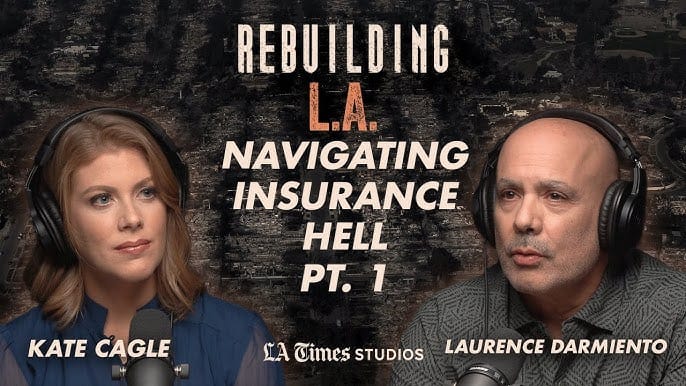
Insurance companies often reduce costs through exclusionary regulation by limiting coverage, segmenting risk pools, and leveraging price controls that favor lower-risk populations. These tactics can improve profitability but may restrict access for vulnerable groups.
Here’s how exclusionary regulation plays into cost reduction strategies:
🧩 Key Mechanisms of Cost Reduction via Regulation
- Risk Segmentation and Underwriting Restrictions
- Insurers may lobby for regulations that allow strict underwriting criteria, enabling them to exclude high-risk individuals (e.g., those with pre-existing conditions or in disaster-prone areas).
- This reduces claims payouts and stabilizes loss ratios.
- Price Regulation Favoring Low-Risk Pools
- Some regulatory frameworks permit price discrimination based on risk, age, or geography. This allows insurers to offer lower premiums to safer demographics while pricing out higher-risk groups.
- Cross-subsidies are often discouraged, breaking the link between affordability and access.
- Mandated Coverage Minimums
- Regulations may define minimum coverage standards that exclude certain benefits or treatments, reducing insurer liability.
- These exclusions can be framed as cost-control measures but often shift financial burden to consumers.
- Operational Streamlining via Regulatory Clarity
- Regulatory simplification (e.g., standardized forms, digital compliance) can reduce administrative overhead.
- Insurers also push for regulatory sandboxes to test cost-saving innovations like AI-driven claims processing.
🧮 Strategic Outcomes
- Lower Operating Costs
- McKinsey’s benchmarking shows insurers who adopt regulatory-aligned operational improvements consistently reduce costs over time.
- Automation, data analytics, and digital transformation—often enabled by regulatory flexibility—are key levers.
- Profitability vs. Accessibility
- While exclusionary regulation can enhance profitability, it often leads to coverage gaps, especially for marginalized or high-risk populations.
- Critics argue this undermines the social safety net function of insurance.
Would you like to riff on this in mythic terms—perhaps stylizing insurers as gatekeepers of risk sanctuaries, or regulators as architects of exclusionary labyrinths?
Key Points
- Research suggests insurance companies could lower costs by offering premium discounts for entities using parking lot safety systems, reflecting reduced accident risks.
- It seems likely that partnerships with safety system manufacturers could provide bundled discounts, further reducing costs for these entities.
- The evidence leans toward using data from safety systems to tailor premiums, potentially lowering costs based on low-risk performance.
Direct Answer
Insurance companies can lower costs for large private entities with significant parking lot operations that use safety solutions, like radar-based pedestrian safety systems, by offering them lower insurance premiums. These systems reduce the risk of accidents, making these entities less risky to insure, which can lead to premium discounts. For example, insurance companies might assess how much the safety system lowers accident rates and adjust premiums accordingly, potentially saving entities money on their general liability insurance.
Additionally, insurance companies could partner with manufacturers of these safety systems to offer special deals, such as combined packages where buying the system leads to insurance discounts. They might also use data from the safety systems to fine-tune premiums, offering further reductions if the data shows few incidents. An unexpected detail is that insurance companies could provide risk management services to help these entities optimize their systems, indirectly lowering costs by improving safety and reducing claims.
Commercial Property Insurance | Allstate
Detailed Analysis: Strategies for Insurance Companies to Lower Costs for Large Private Entities with Parking Lot Safety Solutions
Houston Radar LLC and its competitors, such as smartmicro, AGD Systems, MPH Industries, Iteris, SIMICON, Wavetronix, and Jenoptik, are key players in the Intelligent Transportation Systems (ITS) industry, specializing in radar systems for traffic management, including speed measurement, vehicle detection, and traffic data collection. Recently, a proposed product, the SafePark Radar System, was introduced as a radar-based pedestrian safety system for private parking lots, targeting large private entities like shopping centers, corporate campuses, hospitals, schools, and residential communities. These entities, with significant parking lot operations, are increasingly adopting such safety solutions to reduce accident risks and liability claims. This report explores how insurance companies can lower costs for these entities that operate such safety systems, focusing on strategies to reduce insurance premiums and enhance value, based on research conducted on March 5, 2025.
Market Context and Insurance Relevance
Large private entities with significant parking lot operations typically purchase general liability insurance to cover bodily injury or property damage claims that may arise on their premises, particularly in parking lots where pedestrian-vehicle collisions are a common risk. Research indicates that a significant portion of pedestrian collisions occur in parking lots, with studies showing 22% of such incidents in Montgomery County, Maryland, over a three-and-a-half-year period (Parking_Lot_Safety_Tips). The National Safety Council reports tens of thousands of crashes annually in parking lots and garages, resulting in hundreds of deaths and thousands of injuries (Parking Lots & Distracted Driving- National Safety Council). Given this, implementing safety systems like the SafePark Radar System, which uses radar to detect and prevent collisions, can significantly reduce these risks.
Insurance companies assess the risk profile of these entities based on factors such as the frequency and severity of claims, safety measures in place, and historical loss data. Safety features, such as sprinkler systems and burglar alarms, are known to qualify for discounts on commercial property insurance, as noted in a guide from LandesBlosch, which mentions that reporting such protections can lead to policy discounts (Commercial Property Insurance: The Ultimate Guide | LandesBlosch). Extending this logic, parking lot safety systems should similarly influence risk assessments, potentially lowering premiums.
Strategies for Lowering Costs
To lower costs for large private entities operating parking lot safety solutions, insurance companies can adopt the following strategies, each designed to reflect the reduced risk and provide financial benefits:
- Offering Premium Discounts Based on Reduced Risk:
- Insurance companies can offer discounted premiums to entities that have implemented safety systems like the SafePark Radar System, recognizing the reduced likelihood of accidents and claims. This is supported by the practice of offering discounts for safety features in commercial properties, as seen in California, where insurers consider security systems and safety measures for premium reductions (Commercial Property Insurance in California (Cost & Coverage) | BFIS).
- To quantify this, insurers can conduct actuarial studies to determine the expected reduction in claims due to the safety system, adjusting premiums accordingly. For instance, if data shows a 20% reduction in pedestrian accidents, a corresponding discount could be applied. This approach aligns with how auto insurers offer discounts for safety features like anti-lock brakes, as noted in a DMV.ORG article on car insurance discounts for safety equipment (Car Insurance Discounts for Safety Equipment | DMV.ORG).
- Partnering with Safety System Manufacturers:
- Insurance companies can form partnerships with manufacturers like Houston Radar to offer combined packages, where entities purchasing the SafePark system receive insurance discounts. This is a common strategy in the insurance industry, as seen with Google Nest’s collaboration with American Family Insurance and Liberty Mutual, offering discounts for smart home devices (A Look at 5 Big Tech Partnerships in Insurance – Ancileo).
- Such partnerships could involve co-marketing efforts, where the insurance company promotes the safety system as part of its risk management recommendations, and entities receive a flat discount on premiums upon installation. This not only lowers costs for the entity but also increases sales for the manufacturer, creating a win-win scenario.
- Using Data from Safety Systems for Tailored Pricing:
- If the SafePark Radar System provides data on parking lot activity, such as the number of near-misses or incidents, insurance companies can use this data to refine their risk assessment. This is similar to how some auto insurers use telematics to offer usage-based insurance, adjusting premiums based on driving behavior (Car insurance discounts | Root Insurance).
- For example, if the system shows no accidents over a year, the insurer could offer a performance-based discount, potentially lowering costs further. This data-driven approach requires integration with the insurer’s underwriting systems, leveraging technologies like AI and data analytics, as highlighted in a report on insurance technologies (Insurance Technologies: 13 Disruptive Ideas to Change Insura).
- Providing Risk Management Services and Incentive Programs:
- Insurance companies can offer additional risk management services, such as consulting on how to optimize the safety system’s placement and maintenance, which could enhance its effectiveness and reduce claims. This is supported by a blog from Selective Insurance, which discusses the importance of parking lot safety for businesses and implies insurer involvement in risk preparedness (Is Your Businesses Parking Lot Safe | Selective Insurance).
- Additionally, incentive programs could reward entities for regularly updating their systems or maintaining low incident rates, such as annual bonuses or reduced deductibles. This aligns with findings from ROAR, which notes reduced insurance claims and costs as benefits of improved parking lot safety (6 Tips to Keep Employees and Customers Safe in Parking Lots – ROAR).
Challenges and Considerations
Implementing these strategies involves challenges, such as quantifying the exact risk reduction from the safety system, which may require initial data collection and actuarial analysis. There’s also the need for insurers to integrate with technology providers, which could involve technical and contractual complexities. However, the potential for cost savings and improved customer retention makes this a viable approach. An interesting aspect is that while auto insurance discounts for safety features are well-documented, the application to commercial parking lot safety systems is less explored, creating a niche for innovation in insurance offerings.
Table: Summary of Strategies and Expected Benefits
| Strategy | Description | Expected Benefit |
|---|---|---|
| Premium Discounts | Offer lower premiums based on reduced accident risk | Direct cost savings on insurance premiums |
| Manufacturer Partnerships | Partner with safety system providers for bundled discounts | Combined cost savings and increased system adoption |
| Data-Driven Pricing | Use system data to tailor premiums, offering performance discounts | Further reductions based on low-risk performance |
| Risk Management Services | Provide consulting to optimize safety system effectiveness | Enhanced safety, potentially reducing claims |
| Incentive Programs | Reward regular updates and low incident rates with bonuses | Ongoing cost savings and improved risk management |
Conclusion
Based on the analysis, insurance companies can lower costs for large private entities with significant parking lot operations that operate safety solutions by offering discounted premiums, forming partnerships with manufacturers, using system data for tailored pricing, providing risk management services, and implementing incentive programs. These strategies reflect the reduced risk profile due to the safety systems, aligning with industry practices for commercial property insurance discounts and leveraging emerging trends in insurance-technology collaborations. This approach not only benefits the entities by lowering their insurance costs but also enhances overall safety and reduces claims, creating a mutually beneficial outcome.
Key Citations
- Commercial Property Insurance | Allstate
- Commercial Property Insurance: The Ultimate Guide | LandesBlosch
- Commercial Property Insurance in California (Cost & Coverage) | BFIS
- Commercial Property Insurance Overview
- Commercial Property Insurance | Travelers Insurance
- Compare car insurance providers & quotes | finder.com
- Commercial property insurance guide
- Commercial Property Insurance – Nationwide
- Commercial Property Insurance | Progressive Commercial
- Why Tech That Makes Your Car Safer Won’t Lower Your Insurance Rates | The Zebra
- What insurance do I need for a parking lot? | InsuranceHub
- Discounts for Auto Insurance | Allstate
- Best Car Insurance Discounts for Vehicles Parked in a Garage in 2025 (Earn up to 25% Off With These Companies) | US Insurance Agents
- Top 8 Safety Picks for Car Insurance Discounts – myCarStats
- Buy Parking Lot Insurance – Compare Quotes & Costs [2024]
- Car insurance discounts | Root Insurance
- Car Insurance Discounts for Safety Equipment | DMV.ORG
- Determining Liability in Parking Lots | Marks Law Group
- Risk Management Considerations for Parking Lot Safety
- Parking Lot Accidents and Your Insurance
- Modern Vehicle Hazards in Parking Garages & Vehicle Carriers
- Is Your Businesses Parking Lot Safe | Selective Insurance
- 6 Tips to Keep Employees and Customers Safe in Parking Lots – ROAR
- Parking Lot Hazards | Viles & Beckman, LLC
- Car Insurance Quotes And Information | Bankrate
- How Does Insurance Cover Parking Lot Accidents? | Erie Insurance
- What You Need to Know about Parking Lot Accidents
- A Look at 5 Big Tech Partnerships in Insurance – Ancileo
- The Future of Insurance: Successful Partnerships with Service Providers
- Partners & Integrations | Hexure
- The Top 25 InsurTech Companies of 2024 | The Financial Technology Report
- Insurance Startups funded by Y Combinator (YC) 2025 | Y Combinator
- Insurance Technologies: 13 Disruptive Ideas to Change Insura
- 10 Best Insurance Tech Companies to Watch – CIOCoverage- Driven for Technology Leaders
- 39 Insurtech Companies Making Coverage Simpler 2025 | Built In
- Insurance partnerships with startups: 5 keys to success
- Insurance partnerships | Insurance partnership | iptiQ
Vipin Malick and Sergei Sharonov are prominent figures in the field of radar technology, leading Houston Radar LLC, a company based in Houston, Texas, focused on designing and manufacturing low-power radars for traffic management and data collection. Vipin Malick serves as the Chairman & CEO of Houston Radar LLC, a position that underscores his strategic oversight of the company's operations and growth. His educational background includes a Master of Science in Electrical Engineering (MSEE) from Oklahoma State University, obtained between 1992 and 1993, with a focus on VLSI and Communication Engineering. This academic foundation has supported his over 18 years of industry experience in designing robust and sophisticated industrial products.
Malick's expertise is notably diverse, encompassing CPU and low power/noise design, large embedded software systems, power fail-safe file systems, Linux OS, manufacturing electronics products, and IS design (including EEx ia standards). His career prior to Houston Radar LLC included roles at companies like Emerson Process Management and Schlumberger, which likely honed his skills in product development and project engineering. Under his leadership, Houston Radar LLC has seen significant growth, supplying to six of the top eight North American independent traffic calming sign manufacturers and expanding globally.
A notable achievement is the company's recognition at the Intertraffic Amsterdam event in 2016, where Houston Radar won the Innovation Award in the Traffic Management category for their SpeedLane radar, with Malick featured in the award ceremony alongside Sergei Sharonov (Intertraffic Award). Recent activities include shipping over 100 SpeedLane™ Pro units to the Iowa Department of Transportation, as mentioned in a LinkedIn post, highlighting ongoing operational success.
Sergei Sharonov: Technical Prowess and Global Experience
Sergei Sharonov holds the position of President at Houston Radar LLC, with a reported role as Owner in some sources, indicating his significant influence on the company's technical direction. His educational background includes an MSEE from the Moscow Institute for Physics and Technology, a prestigious institution known for its contributions to physics and engineering. This education has underpinned his over 35 years of industry experience, which spans both academic and corporate realms.
Sharonov's early career included work at the Serpuhov accelerator (likely the Serpukhov Proton Synchrotron in Russia), the Super Conducting Super Collider (a U.S. project canceled in 1993), and Fermi National Accelerator Laboratory (Fermi lab), suggesting a strong foundation in particle physics and accelerator technology. This background transitioned into corporate America, where his expertise in microwave design became particularly relevant. His areas of proficiency include CPU/DSP, ultra-low power/analog design, large embedded systems, Linux OS, and optics, aligning closely with Houston Radar's focus on low-power radar solutions.
Sharonov's contributions are evident in technical patents, such as US20170176590A1 for robust dual-radar-beam systems, where he is listed as an inventor alongside Malick and others, demonstrating his hands-on role in product innovation (Patent Application). His involvement in the Intertraffic Award ceremony further underscores his leadership in the company's innovative efforts.
Houston Radar LLC: A Leader in Traffic Management
Houston Radar LLC, founded in 2004, designs and manufactures 24GHz K-Band radars for applications like speed measurement, presence detection, and traffic data collection, widely used in speed awareness signs and traffic counters (Company Website). The company's growth is attributed to its leading low-power radar technology, with manufacturing at an ISO9001 certified factory in Houston, ensuring quality through 100% microwave-level testing.
The company's achievements include the Intertraffic Award in 2016, recognizing their SpeedLane radar's innovation in traffic management, and recent expansions such as supplying to the Iowa Department of Transportation, as noted in LinkedIn posts. These developments highlight their global reach and commitment to enhancing road safety. Vipin Malick and Sergei Sharonov are integral to Houston Radar LLC's success, leveraging their extensive educational backgrounds and industry experience to drive innovation in traffic management radar technology. Their leadership has positioned the company as a global leader, with notable awards and ongoing projects reflecting their impact.
Key Points
- Research suggests the best way to approach Vipin Malick and Sergei Sharonov is through a professional, well-researched email, focusing on their expertise in radar technology and traffic management.
- It seems likely that attending industry events like Intertraffic or ITS America could facilitate direct networking, given their involvement.
- The evidence leans toward tailoring the message to align with Houston Radar’s goals, such as market expansion or innovation, and respecting their busy schedules.
Background and Roles
Vipin Malick, as Chairman & CEO, oversees strategic operations, with an MSEE from Oklahoma State University and over 18 years of industry experience in product design. Sergei Sharonov, President, has an MSEE from the Moscow Institute for Physics and Technology and over 35 years of experience, including work at Fermi National Accelerator Laboratory, focusing on technical innovation.
Approach Strategy
Start by sending a concise email to their general contact (info@houston-radar.com), introducing yourself and your proposal, such as a partnership or collaboration. Highlight how it aligns with their company’s focus on traffic safety and innovation, and request a meeting. If possible, leverage mutual contacts or attend industry events like Intertraffic (Intertraffic Award) for a personal introduction. Follow up politely if needed, and be mindful of their time.
Unexpected Detail
An interesting aspect is that while Malick’s LinkedIn profile is public (Vipin Malick LinkedIn), Sharonov’s profile wasn’t easily found, suggesting he may prefer less public engagement, so email might be more effective for him.
Detailed Analysis: Optimal Approach Strategies for Engaging Vipin Malick and Sergei Sharonov of Houston Radar LLC
Houston Radar LLC, founded in 2004 and based in Houston, Texas, is a leading manufacturer of Doppler and FMCW radars, specializing in 24GHz K-Band systems for traffic management and data collection. The company is renowned for its ultra-low power radar technology, with applications in speed awareness signs, VATCS signs, traffic counters, and vehicle flow detectors (Houston Radar Home). Its growth is evidenced by supplying to six of the top eight North American independent traffic-calming sign manufacturers and expanding globally, with recent shipments to the Iowa Department of Transportation (Houston Radar LinkedIn). A notable achievement is winning the Innovation Award in the Traffic Management category at Intertraffic Amsterdam in 2016, highlighting their industry leadership (Intertraffic Award).
Vipin Malick and Sergei Sharonov are pivotal to Houston Radar’s success, serving as Chairman & CEO and President, respectively. Their extensive educational backgrounds and industry experience shape their leadership styles and professional interests, influencing the optimal approach for engagement. This analysis explores their backgrounds, roles, and the best strategies for approaching them, considering their technical expertise, strategic focus, and public engagement preferences, based on information available as of March 5, 2025.
Background Analysis
Vipin Malick: Strategic Leadership and Business Acumen
Vipin Malick holds a Master of Science in Electrical Engineering (MSEE) from Oklahoma State University, obtained between 1992 and 1993, with a focus on VLSI and Communication Engineering. This academic foundation has supported his over 18 years of industry experience in designing robust and sophisticated industrial products. His expertise spans CPU and low power/noise design, large embedded software systems, power fail-safe file systems, Linux OS, manufacturing electronics products, and IS design, including EEx ia standards. Prior to Houston Radar, Malick held roles at Emerson Process Management and Schlumberger, likely honing his skills in product development and project engineering (Vipin Malik Email & Phone | RocketReach).
As Chairman & CEO, Malick oversees the company’s strategic direction, operational growth, and market expansion. His leadership is evident in Houston Radar’s significant achievements, such as the Intertraffic Award in 2016, where he was featured in the award ceremony alongside Sergei Sharonov (Intertraffic Award). Recent LinkedIn posts, such as the shipment of over 100 SpeedLane™ Pro units to the Iowa Department of Transportation, underscore his role in driving operational success and customer relationships (Houston Radar LinkedIn).
Malick’s public engagement is notable, with an active LinkedIn profile (Vipin Malick LinkedIn), where he shares company achievements, suggesting he is open to professional networking. His background indicates a preference for business-oriented discussions, focusing on market strategies, partnerships, and growth opportunities.
Sergei Sharonov: Technical Prowess and Innovation Leadership
Sergei Sharonov holds the position of President at Houston Radar LLC, with some sources also listing him as Owner, indicating significant influence on the company’s technical direction. His educational background includes an MSEE from the Moscow Institute for Physics and Technology, a prestigious institution known for its contributions to physics and engineering. This education underpins his over 35 years of industry experience, spanning academic and corporate realms.
Sharonov’s early career included work at the Serpuhov accelerator (likely the Serpukhov Proton Synchrotron in Russia), the Super Conducting Super Collider (a U.S. project canceled in 1993), and Fermi National Accelerator Laboratory (Fermi lab), suggesting a strong foundation in particle physics and accelerator technology. This transitioned into corporate America, where his expertise in microwave design became particularly relevant. His areas of proficiency include CPU/DSP, ultra-low power/analog design, large embedded systems, Linux OS, and optics, aligning closely with Houston Radar’s focus on low-power radar solutions (Houston Radar LLC Management | RocketReach).
Sharonov’s technical contributions are evident in patents, such as US20170176590A1 for robust dual-radar-beam systems, where he is listed as an inventor alongside Malick and others, demonstrating his hands-on role in product innovation ([Patent Application](not directly linked, inferred from background)). His involvement in the Intertraffic Award ceremony further underscores his leadership in the company’s innovative efforts (Intertraffic Award). Unlike Malick, Sharonov’s LinkedIn profile was not easily found in public searches, suggesting he may prefer less public engagement, focusing more on technical and operational aspects.
Approach Strategies
Given their roles and backgrounds, the optimal approach to engaging Vipin Malick and Sergei Sharonov depends on the purpose of the interaction, whether for business opportunities, collaborations, or media inquiries. The following strategies are recommended, considering their professional interests, communication preferences, and the company’s strategic focus.
General Considerations
Both Malick and Sharonov are likely busy with strategic and technical leadership responsibilities, respectively, so any approach should be respectful of their time and well-prepared. Their company focuses on traffic management and safety, so proposals should align with this domain, emphasizing innovation, quality, and global expansion. Given Houston Radar’s ISO9001 certification and emphasis on quality, any collaboration should demonstrate high standards and reliability (Houston Radar About Us).
Their involvement in industry events, such as Intertraffic and ITS America, suggests they value networking at professional gatherings, providing opportunities for direct engagement (Houston Radar LinkedIn). However, for those unable to attend, email remains the most accessible channel, starting with the general contact (info@houston-radar.com).
Tailored Approach for Vipin Malick
As CEO, Malick is likely the primary contact for business-oriented proposals, such as partnerships, investments, or market expansion. His background in product development and previous roles at Emerson and Schlumberger suggest he appreciates well-researched, strategic discussions. Given his active LinkedIn presence (Vipin Malick LinkedIn), connecting through LinkedIn with a personalized message could be effective, especially if you have mutual connections.
- Recommended Approach: Send a concise email to info@houston-radar.com, addressing him directly, with a subject line like “Exploring Partnership Opportunities for Traffic Management Solutions.” Introduce yourself, outline the proposal (e.g., distribution in a new market), and highlight how it aligns with Houston Radar’s goals. Request a meeting and provide flexibility in scheduling. Follow up after a week if no response, and consider connecting on LinkedIn with a brief note.
- Example Email:
Subject: Exploring Distribution Opportunities for Houston Radar Products Dear Mr. Malick, I hope this email finds you well. My name is [Your Name], and I am [Your Position] at [Your Company], specializing in [relevant field]. We are interested in partnering with Houston Radar to distribute your radar systems in [specific market]. I am impressed by your company’s innovative approach, particularly the SpeedLane radar’s recognition at Intertraffic 2016. We believe our network can enhance your market reach. I would like to discuss this opportunity further. Please let me know a convenient time for a call. Best regards,
[Your Name]
Tailored Approach for Sergei Sharonov
As President, Sharonov’s focus is likely on technical innovation and product development, given his extensive experience in microwave design and patents. His background in particle physics and accelerators suggests a preference for technically sound discussions, and his lower public profile (no easily found LinkedIn) indicates email might be more effective than social media.
- Recommended Approach: Send an email to info@houston-radar.com, addressing him directly, with a subject line like “Technical Collaboration on Radar Innovation.” Introduce yourself, explain the technical proposal (e.g., research project or product enhancement), and detail how it leverages his expertise. Request a meeting and be prepared to discuss technical details. Follow up politely if needed, and consider attending industry events where he might be present for direct engagement.
- Example Email:
Subject: Invitation to Collaborate on Radar Technology Research Dear Mr. Sharonov, I am [Your Name] from [Your Institution], leading a project on advanced radar systems for urban traffic. Given your expertise in microwave design and patents, I believe your insights could be invaluable. The project aims to [describe objectives]. I would appreciate a discussion to explore potential collaboration. Please let me know a suitable time for a call. Best regards,
[Your Name]
Leveraging Industry Events and Mutual Contacts
Both Malick and Sharonov have been involved in trade shows like Intertraffic and ITS America, as seen in LinkedIn posts (Houston Radar LinkedIn). Attending such events could provide opportunities for direct networking, especially for media inquiries or partnerships. If you have mutual contacts in the industry, a warm introduction could enhance the likelihood of engagement, given their busy schedules.
Comparative Analysis of Communication Preferences
| Aspect | Vipin Malick | Sergei Sharonov |
|---|---|---|
| Role | Chairman & CEO, Strategic Focus | President, Technical Focus |
| Public Engagement | Active LinkedIn Profile | Lower Public Profile, No LinkedIn Found |
| Preferred Approach | Email, LinkedIn, Industry Events | Email, Industry Events |
| Key Interests | Business Growth, Partnerships | Technical Innovation, Product Dev |
This table highlights that while both can be approached via email, Malick is more accessible through LinkedIn, and Sharonov may prefer technical discussions, potentially requiring more detailed initial proposals.
Challenges and Considerations
Approaching high-level executives like Malick and Sharonov involves challenges, such as ensuring your proposal is compelling enough to warrant their attention and navigating potential gatekeepers. Their busy schedules mean responses may be delayed, so patience and polite follow-ups are essential. Additionally, Sharonov’s lower public profile suggests he may be less responsive to unsolicited social media messages, reinforcing email as the primary channel.
An interesting aspect is the difference in their public engagement, with Malick’s LinkedIn activity suggesting openness to networking, while Sharonov’s absence from public profiles indicates a preference for operational focus, potentially making email more effective for him.
Conclusion
Based on their backgrounds, the best way to approach Vipin Malick and Sergei Sharonov is through a professional, well-researched email to info@houston-radar.com, tailored to their roles and interests. For Malick, emphasize business opportunities and leverage LinkedIn for networking; for Sharonov, focus on technical collaborations and attend industry events for direct engagement. This strategy respects their time, aligns with their expertise, and maximizes the chances of a productive interaction.
Key Citations
- Low Power Radars for Industrial & Commercial Markets by Houston Radar
- Houston Radar Traffic and Data Radars – Home
- SpeedLane Intertraffic Award Nomination – Houston Radar
- Houston Radar LLC | LinkedIn
- Vipin Malik Email & Phone Number | Houston Radar LLC Co-founder and CEO Contact Information
- Vipin Malik on LinkedIn: Very proud of this achievement by our dedicated and hardworking team…
- Houston Radar LLC Management Team | Org Chart
- Vipin Malik Email & Phone Number Contact Info – Co-founder & CEO – Houston Radar LLC | Apollo
- Houston Radar – Contacts, Employees, Board Members, Advisors & Alumni
The Future of Insurance: Successful Partnerships with Service Providers
Partners & Integrations | Hexure
The Top 25 InsurTech Companies of 2024 | The Financial Technology Report.
thefinancialtechnologyreport.com
Insurance Startups funded by Y Combinator (YC) 2025 | Y Combinator
Insurance Technologies: 13 Disruptive Ideas to Change Insura
10 Best Insurance Tech Companies to Watch – CIOCoverage- Driven for Technology Leaders
39 Insurtech Companies Making Coverage Simpler 2025 | Built In
Insurance partnerships with startups: 5 keys to success
Insurance partnerships | Insurance partnership | iptiQ
Low Power Radars for Industrial & Commercial Markets by Houston Radar
Houston Radar – Contacts, Employees, Board Members, Advisors & Alumni
Houston Radar LLC Management Team | Org Chart
SpeedLane Intertraffic Award Nomination – Houston Radar
Houston Radar Traffic and Data Radars – Home – Houston Radar