PODCAST: Notwithstanding Rompilla, forgoing neuroimaging of a defendant even
if the scan might reveal organic brain damage and choosing instead to
present mitigation testimony through lay witnesses has been held to be a
reasonable trial strategy. As neuroimaging increasingly penetrates the practice of criminal law—
especially capital cases84—it is important to understand what types of
neuroimaging claims and arguments are being made in the courtroom;
whether those claims are directed at determinations of competency, guilt, or
sentencing; what types of neuroimaging evidence are being presented; and
what are the outcomes of attempts to introduce neuroimaging evidence in
criminal trials.
Source: https://drakelawreview.org/
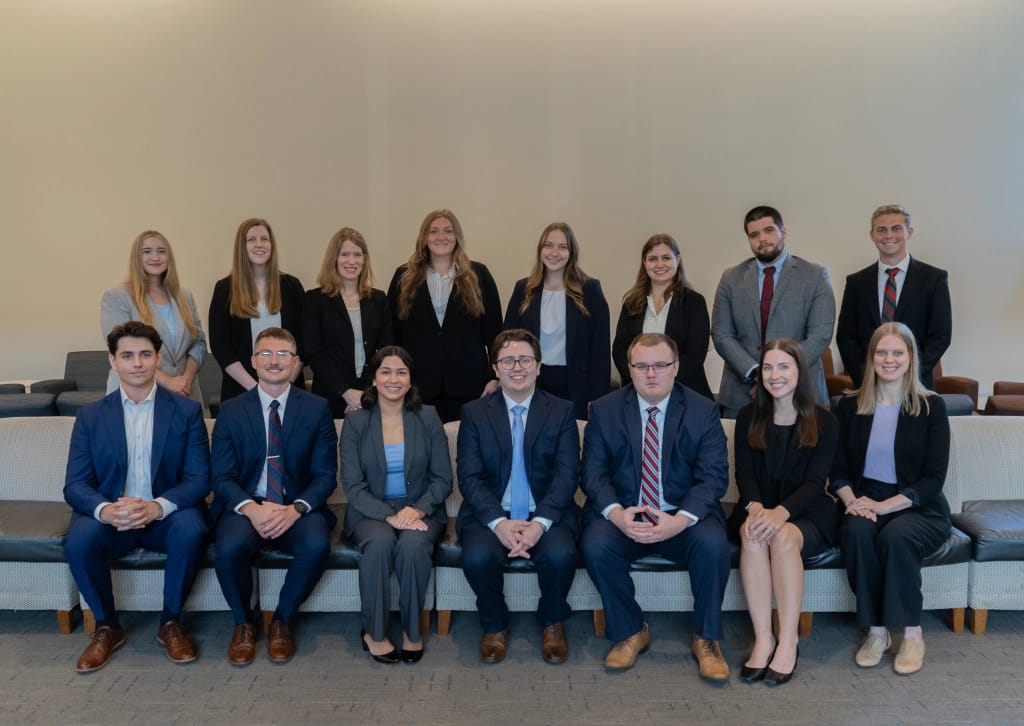
Drake University Law School students serve on the editorial board and staff. The students methodically edit each published work in the quarterly issues to maintain the Drake Law Review’s reputation as one of the top law journals in the nation.
General Trend in Admissibility of Neuro Imaging
The provided academic article analyzes the use of neuroimaging evidence in 361 criminal court cases reported through the end of 2015, highlighting a steady upward trend in its frequency across all phases of criminal proceedings. The research concludes that this evidence, which includes technologies like MRI and PET scans, has shown the most efficacy in the penalty phase, where it is frequently utilized by defense counsel as a mitigating factor in capital cases. While the data is offered to support defenses like lack of criminal intent or diminished capacity during the guilt phase, its admissibility is often challenged and rejected by courts that strictly apply the Daubert and Frye standards. The text details the specific modalities requested and identifies common legal concerns, such as the potential for misuse, the variability of individual brain data, and the crucial time gap between the scan and the alleged criminal act. Ultimately, the authors observe a contemporary shift in the legal system from debating the general relevance of neuroimaging to focusing on the substantive results and appropriate application of the underlying data.
“forensic imaging as a black box.. disagreement among experts is not unique to neuroimaging..”
A large-scale empirical study conducted in 2011 that investigated concerns that juries might give undue weight or significance to neuroimaging representations.
- The study surveyed over 1,400 potential jurors (specifically, 1,476 jury-eligible participants) and found no such prejudicial effects of neuroimages presented in the context of a mock criminal case.
- This research suggests that jurors would not be unduly influenced by neuroimages, thereby undermining the concerns that cautionary jury instructions or exclusion might be needed to protect against the undue influence of the images.
- The study concluded there was “no evidence that neuroimagery affected jurors’ judgments (verdicts, sentence recommendations, judgments of the defendant’s culpability) over and above verbal neuroscience-based testimony”.
Therefore, the finding about the 1,400 potential jurors argues against the idea that the public (represented by the jurors) rejects the evidence due to undue prejudice; instead, it indicates they are not overly swayed by the visual data.
The overall trend within the criminal justice system is toward the incorporation and admissibility of neuroimaging evidence, rather than rejection.
- There has been a steady upward trend in the number of criminal cases considering neuroimaging evidence. The number of reported decisions was highest in the most recent period analyzed (2013–2015).
- There has been a shift in recent years from discussion about whether neuroimaging evidence is relevant and admissible toward admissibility of this type of evidence and a focus on the substantive results and appropriate use of the neuroimaging data.
- The sources note that brain scan technology is currently being used in the criminal courtroom, perhaps much more frequently than many observers appreciate.
Admissibility Contexts
While admissibility is increasing, the effectiveness of neuroimaging evidence varies depending on the trial phase:
- Penalty Phase: Courts have been most receptive to and influenced by neuroimaging evidence during the penalty phase, especially in capital cases, where neuroimaging is typically used as mitigating evidence. The standard for admissibility in this phase is much more lax due to due process rights requiring the consideration of any relevant mitigating evidence.
- Guilt and Competency Phases: Neuroimaging tests have generally not been successfully used to establish incompetency or to rebut guilt in reported cases. When courts exclude this evidence in the guilt phase, it is often because it is found to lack acceptance within the relevant scientific community (under Daubert or Frye standards) or because experts cannot sufficiently link the neuroimaging results to the defendant’s behavior or mental state at the time of the crime.
https://notebooklm.google.com/notebook/19b9fc17-ad07-4d7c-9c9e-d1f60f949ad0

The Supreme Courts comments on the Admissibility of Neuroimaging
The Supreme Court of the United States has addressed legal standards relevant to the use of evidence in criminal cases, particularly in relation to the ineffective assistance of counsel (IAC) in capital cases and the constitutional requirements for considering mitigating evidence in the penalty phase.
However, the sources do not contain direct comments or rulings by the Supreme Court specifically on the admissibility of neuroimaging evidence itself (such as whether a PET scan meets the Daubert standard).
Here are the key points regarding Supreme Court decisions mentioned in the source material that relate indirectly to neuroimaging admissibility and its necessity:
Admissibility and Relevance of Mitigating Evidence (Penalty Phase)
The Supreme Court has mandated an inclusive standard for mitigating evidence in capital sentencing:
- The Supreme Court has forbidden States to limit a capital defendant’s submission of relevant evidence in mitigation of the sentence.
- The sentencer (judge or jury) must not be precluded from considering “any relevant mitigating evidence”.
- This requirement stems from the due process right that a defendant not be sentenced to death “on the basis of information which he had no opportunity to deny or explain”.
- The rule regarding admissibility during the penalty phase is much more lax than in other phases of the trial due to due process considerations.
These rulings mean that if a neuroimaging result is deemed relevant mitigating evidence (e.g., showing brain damage), a court is generally constitutionally required to consider it.
Ineffective Assistance of Counsel (IAC)
Supreme Court rulings defining the standard for IAC claims are frequently applied in cases involving the failure to obtain or present neuroimaging evidence:
- The leading case on IAC claims is Strickland v. Washington, which sets forth a two-part test requiring the claimant to show that:
- The lawyer’s performance was outside of the broad range of reasonably competent performance under professional standards.
- The deficiency undermined confidence in the outcome because it affected the fairness and reliability of the proceeding.
- The ruling in Rompilla v. Beard specified that defense counsel’s failure to investigate mitigating evidence, such as evidence of organic brain damage, can be considered deficient and prejudicial under Strickland.
- In Rompilla, the Court found that a diligent defense counsel would have uncovered evidence of the defendant’s organic brain damage and significantly impaired cognitive function, which had great potential as mitigating evidence.
- The Supreme Court has also ruled that the state must ensure that an indigent defendant has access to a competent psychiatrist and appropriate evaluation if their sanity at the time of the crime is likely to be a significant factor at trial (Ake v. Oklahoma).
Other Relevant Mentions (Procedural)
- The Supreme Court case Daubert v. Merrell Dow Pharmaceuticals, Inc. established criteria judges can consider when determining the admissibility of scientific evidence. Neuroimaging evidence is often challenged and reviewed under Daubert standards.
- The Court’s decision in Dusky v. United States established the two-pronged legal test for competency (sufficient present ability to consult with counsel and a rational/factual understanding of the proceedings), which neuroimaging evidence may be used to support or rebut.
| Supreme Court Case | Related Neuroimaging Topic | Principle Established | Source Citations |
|---|---|---|---|
| Lockett v. Ohio | Mitigating Evidence/Penalty Phase | The sentencer must not be precluded from considering any relevant mitigating evidence. | |
| Skipper v. South Carolina | Mitigating Evidence/Penalty Phase | Reaffirmed the requirement to consider any relevant mitigating evidence. | |
| Daubert v. Merrell Dow Pharm., Inc. | Admissibility Standard | Expanded judges’ role as gatekeepers, requiring evidence to be vetted for specific criteria (often cited when admitting/excluding neuroimaging). | |
| Strickland v. Washington | Ineffective Assistance of Counsel (IAC) | Established the two-pronged test for successful IAC claims (deficient performance and resulting prejudice). | |
| Rompilla v. Beard | IAC and Mitigation Investigation | Failure to investigate potential mitigating evidence, such as organic brain damage, can satisfy the IAC standard. | |
| Ake v. Oklahoma | Expert Assistance for Indigent Defendants | Requires the state to provide access to psychiatric evaluation if the defendant’s sanity is a significant factor at trial. | |
| Dusky v. United States | Competency to Stand Trial | Established the two-pronged legal test for competency (ability to consult counsel and factual/rational understanding of proceedings). |